December 30th 2024 | Dean DeSeve
Edited by Alexander Kim
Historical Context
During the age of discovery, the first “modern” corporation’s earliest act was to start a war. In 1602, Portugal and the Netherlands were growing maritime empires and both were still at peace [1]. However, there was growing discontent with the status quo on the part of the Dutch. Portugal enforced a lucrative monopoly on Asian trade, which limited Dutch profits [2]. This especially affected the Dutch East India Company, known by its Dutch acronym, VOC. Its chartered purpose was to conduct trade with Asia [3]. But the fragile peace was tested in 1602, when the Dutch Ship known as the White Lion captured the Santa Catarina, a Portuguese carrack that hauled incredibly valuable goods– including spices, silk and musk– from the East Indies to Europe [4]. When the Santa Catarina returned to Amsterdam the next year, it sparked a debate that divided VOC shareholders and directors: should the Santa Catarina’s cargo be seized or returned to the Portuguese? [5].
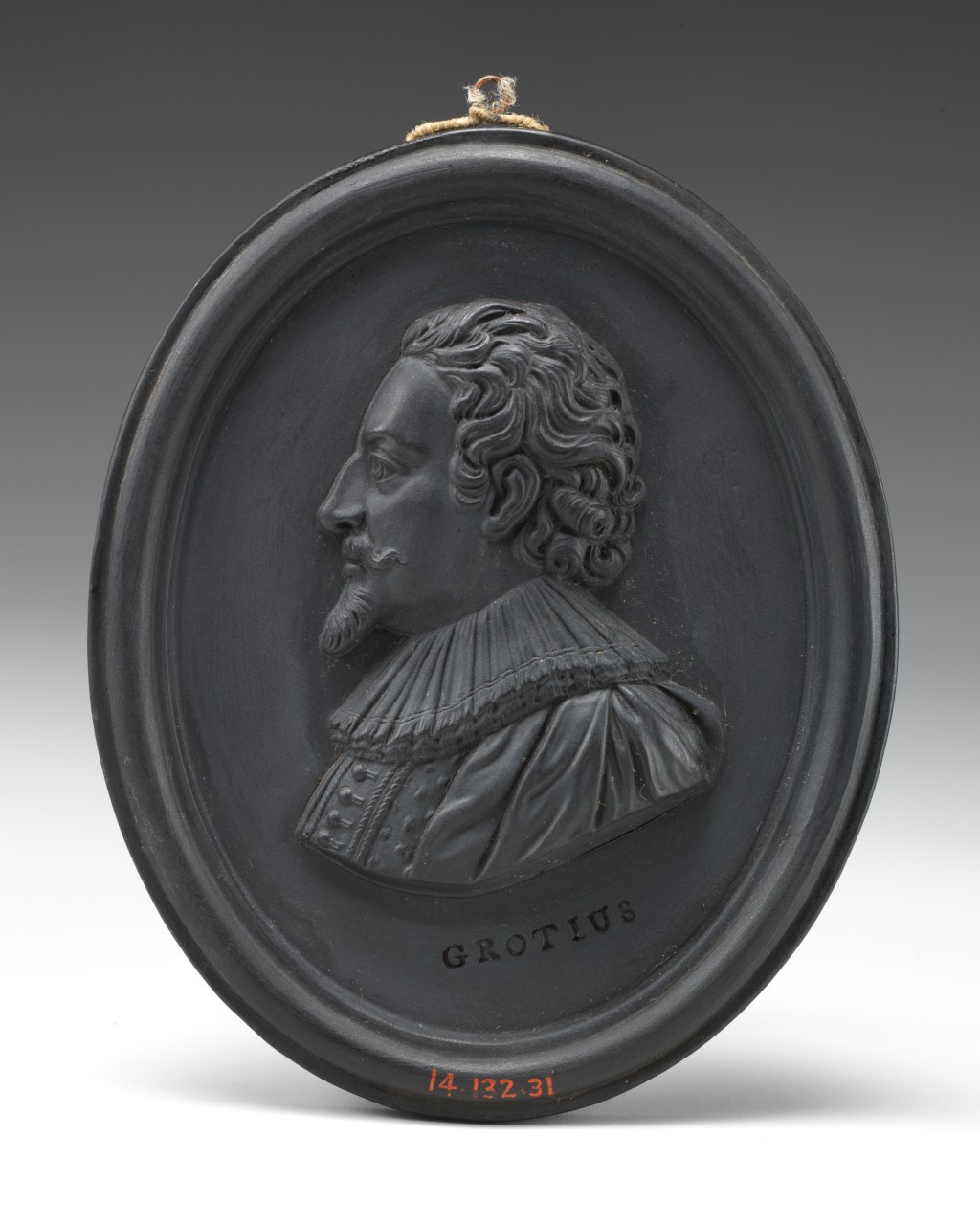
If it was seized, it could initiate costly, full-scale warfare. If it was returned, the Dutch would not be able to collect proceeds from the sale of its expensive cargo. The VOC successfully petitioned courts under its directors to have the Santa Catarina’s cargo liquidated. Proceeds from state auctions of the cargo were returned to those who funded the White Lion’s journey, many of whom were VOC directors [6]. But the directors had acted independently and in spite of investor concerns about war with Portugal: a VOC petition written by jurist Hugo Grotius, who agonized over the war, indicated this as he wrote, “VOC shareholders may well waver in their resolution and demand easy and immediate profits, eschewing great costs and dangers by means of a strictly defensive strategy” [7]. Shareholders knew it was much cheaper to defend ships against pirates, as the VOC had done prior to 1602, than go to war with the strongest naval power in Asia. Thus, how did the directors ignore shareholder concerns? In order to understand how the directors of the first “modern” company acted during Santa Catarina’s capture, this article will employ a historical lens to identify key parts of the VOC’s structure that allowed for management autonomy and curtailed shareholder rights.
Origins of the VOC
As historians Oscar Gelderblom, Abe de Jong, and Joost Jonker explain, previous Dutch trade had been financed on a “voyage by voyage” basis, with directors outfitting ships and convincing investors to fund their travels before the creation of the VOC [8]. Because investors would be largely unable to communicate with the fleets they had dispatched as they made the years-long voyage to the East Indies, there was little need for management of these expeditions besides their outfitting and the sale of their goods if they returned [9]. This meant that investors largely knew what to expect when they invested in an expedition. While investors did not expect drastic changes while such assignments were being organized, voyage by voyage financing had one serious disadvantage: risk sharing. If a calamity occurred (and many did), investors would lose all the money they invested in a trade [10].
The initial voyage by voyage method of financing expeditions soon transformed into a new type of corporation. As Gelderbom, Jong, and Jonker delineate, “Mounting competition, however, initiated a process of corporate consolidation in which the balance between directors, company, and investors shifted decision” [11]. The VOC, as created in its charter, continuously dispatched voyages [12]. Because there were so many investors, risk was shared. Having more investors also meant that corporate governance was run by a select few directors, who made the VOC’s management decisions [13]. Investors just owned a piece of stock.
Liquidation Protection and the Sources of Director Autonomy
While VOC shares are best understood as a transitional security between a loan and common stock, their transformational use of liquidation protection gave the VOC directors significant agency. Shareholders made an investment in the VOC in installments, and while they could sell their shares (with the obligation to pay unpaid installments), it was only “after ten years” that “anyone may depart the Company and take his capital with him” [14]. In that respect, shareholders had exit options that modern stockholders do not have. They would have the option to receive their capital back from the company with 7.5% interest rather than receive future dividends – but only after a decade [15]. This is an early example of liquidation protection, a then novel privilege which prevented a firm from being dissolved because of investor panic or the bankruptcy of a single director [16]. Liquidation protection also supported the VOC stock price. During the first decade, the price never dipped below 100% of the initial investment [17]. At the time of the Santa Catarina’s seizure, the VOC directors still had seven years before investors could take their exit option, which allowed them significant leeway to act without facing the dissolution of the company.
Adding to directors’ autonomy was a lack of shareholder governance oversight. Unlike modern companies, the VOC had no mechanism for shareholders to vote on management issues. Additionally, directors were nominated by other directors and their appointment was not subject to shareholder approval. While directors had to swear that they “shall not favour the greater shareholders over the lesser ones,” there was little keeping them to that oath [18]. And while the shareholders had no authority over the directors, the directors had complete authority over the company. With no exit option or say in the management of the company, shareholder rights were virtually nonexistent in the early VOC. As Gelderblom, Jong, and Junger mention, “It seems reasonable to assume that the directors’ interests included personal wealth maximization via transactions with the VOC (tunneling) and via direct expropriation. Examples of both surfaced over time” [19]. Shareholders, as Gelderblom, Jong, and Junger explain, did not have enough information to prevent these abuses. But they also did not have a better outlet for their capital.
Monopoly Privileges, Monopoly Duties
The VOC’s charter, which carried the authority of the Netherlands’ government, formalized the company as a monopoly. This monopoly was so stringent that, “No persons, regardless of constitution or capacity apart from those of the abovementioned Company shall be permitted to sail from these United Provinces to reach east of the Cape of Good Hope or through the Straits of Magellan … at pain of confiscation of ships and cargoes” [20]. Eastern trade was only open to the VOC, which made it much more desirable for investment. At a time when few countries had trading companies, the Dutch opened theirs to international investment [21]. Foreigners, whose country had no trading company, would have no better option than the VOC for investment.
The importance of the double monopoly over trade and investment was recognized by the VOC. As historian Martine Julia van Itersum demonstrates, when the French tried to establish their own East Indies company, a VOC agent was told that in addition to a mahogany bed, “he should present the French monarch with an ivory rhinoceros horn and ‘the porcupine belonging to the Italian’” [22]. The VOC also tried to bribe French officials with luxury goods, including musk and gilded swords. If the VOC was willing to resort to bribery, it clearly valued its trade monopoly. Its monopoly should be viewed as another way in which shareholder rights were limited. After all, the East Indies trade was the most profitable industry in Europe. But investors had only one way to break into that trade: the VOC. Investors were evidently willing to tolerate corruption and a lack of say in the company because of the massive profits it alone could generate.
The state, on the other hand, had a large say. Being a monopoly was a privilege for the VOC that the state had a privilege to revoke or alter. As jurist Hugo Grotius wrote in a 1606 petition to the States General, that body had urged the VOC to attack “enemy” forces and trade. Grotius echoed the States Generals threats, writing, “it was Your Honors’ argument that the petitioners might otherwise not maintain their trade with honor or even increase it, adding that this was the principal reason for Your Honors to establish the United Dutch East India Company and authorize its offensive war against the Portuguese” [23]. Grotius’ petition demonstrates the power the States General had over the VOC. As the jurist argued, the purpose of the VOC was not to benefit its shareholders, but to aid the state.
Grotius still claimed that the VOC valued shareholders, but his assertions must be read skeptically. He argued that a lack of government support for the VOC could lead to discontent among “the Company’s many shareholders, who consented to the VOC offensive in the East Indies in the expectation of Your Honors’ support” [24]. Compare this statement with the way Grotius describes the impact of the States General: while the shareholders were only able to “consent” to the VOC’s actions after the fact, it was the State’s general who could “argue” for all out war and threaten a revocation of the VOC’s monopoly rights. The contrast between Grotius’ description of government versus shareholder influence demonstrates how relatively unimportant the latter’s rights were.
Conclusion
The VOC severely disadvantaged shareholders for the benefit of the directors. If a panic had arisen, shareholders would not have been able to withdraw their capital from the VOC. Nor could they invest in a more efficient competitor who remained unburdened by the costs of war. This is because the state created the VOC as a monopoly and had significant power over the VOC’s decisions. Lastly, the VOC directors were not accountable to their shareholders. While investors could not stop the VOC from going to war, the state could prod the Company into provocation. While VOC shareholders had a security similar to modern common stock, they did not have modern shareholders’ rights.
Phrasing the ability of shareholders to influence the direction of the VOC as “shareholder rights” is not intended to make a value judgment. In fact, the VOC was revolutionary precisely because of how little rights shareholders: it had firmly separated those who had provided capital to a company from those who could have a say in a company. This allowed for finance as we know it today. Gelderbloom and Jonker argue that because the VOC was a larger concern than other companies, a whole secondary market was soon created for shares [25]. Furthermore, these shares were used as collateral to secure loans which provided liquidity to the Amsterdam capital markets [26]. This allowed for the Dutch to enjoy the benefits of a financialized economy sooner than any other nation. By going to war with Portugal, the VOC incurred significant costs– but they eventually won. They successfully broke the Portuguese monopoly on Asian trade and consequently became the world’s most valuable company. This demonstrates a perk of manager-led companies, especially ones whose directors serve for life: they can take risks that would normally be out of the question for short term investors. The VOC prospered in the long term, eventually causing it to be seen as a model for good corporate governance. Despite its corruption, it has been heralded as the first model organization. Many elements of the VOC, which limited shareholder rights including their separation from management and the lack of an exit option, are recognizable in present day companies. Ultimately, it is important to understand the benefits and flaws of the Dutch East India Company so these pitfalls can be avoided in modern companies.
Notes:
[1] Van Ittarsum, Martine Julia. Profit and Principle Hugo Grotius, Natural Rights Theories and the Rise of Dutch Power in the East Indies 1595-1615.
[2] Ibid.
[3] Estates General of the Netherlands. “A Translation of the Charter of the Dutch East India Company.” Translated by Peter Reynders.
[4] Borschberg, Peter. “The Santa Catarina Incident of 1603 Dutch Freebooting, The Portuguese Estado da India and Intra-Asian Trade at the Dawn of the 17th Century.”
[5] Van Ittarsum.
[6] Gelderblom, Oscar, Abe de Jong, and Joost Jonker. “An Admiralty for Asia: Isaac le Maire and conflicting conceptions about the corporate governance of the VOC.”
[7] Grotius, Hugo. “Commentary on the Law of Prize and Booty.”
[8] Gelderblom, Oscar, and Joost Jonker. “Completing a Financial Revolution: The Finance of the Dutch East India Trade and the Rise of the Amsterdam Capital Market, 1595-1612.”
[9] Ibid.
[10] Ibid.
[11] Ibid.
[12] Estates General of the Netherlands. “A Translation of the Charter of the Dutch East India Company.” Translated by Peter Reynders.
[13] Ibid.
[14] Ibid.
[15] Ibid.
[16] Giuseppe Mattiacci, Oscar Gelderblom, Joost Jonker, and Enrico C. Perotti. “The Emergence of the Corporate Form.”
[17] Gelderblom and Jonker.
[18] Estates General of the Netherlands. “A Translation of the Charter of the Dutch East India Company.” Translated by Peter Reynders.
[19] Gelderblom, Jost, and Jonker.
[20] Estates General of the Netherlands. “A Translation of the Charter of the Dutch East India Company.” Translated by Peter Reynders.
[21] Martin van Ittarsum.
[22] Ibid.
[23] Grotius, Hugo. 1606 Petition.
[24] Ibid.
[25] Gelderblom and Jonker.
[26] Ibid.
Sources:
Borschberg, Peter. “The Santa Catarina Incident of 1603 Dutch Freebooting, The Portuguese Estado da India and Intra-Asian Trade at the Dawn of the 17th Century.” Macau: Cultural Institute of the Macao S.A.R. Government, 2002.
Dari-Mattiacci, Giuseppe, Oscar Gelderblom, Joost Jonker, and Enrico C. Perotti. “The Emergence of the Corporate Form.” Journal of Law, Economics, & Organization 33, no. 2 (2017): 193–236. http://www.jstor.org/stable/44631423.
Estates General of the Netherlands, “A Translation of the Charter of the Dutch East India Company.” Translated by Peter Reynders. Canberra: Royal Australian Hydrographic Society, 2009.
Gelderblom, Oscar, and Joost Jonker. “Completing a Financial Revolution: The Finance of the Dutch East India Trade and the Rise of the Amsterdam Capital Market, 1595-1612.” The Journal of Economic History 64, no. 3 (2004): 641–72. http://www.jstor.org/stable/3874815.
Grotius, Hugo. Commentary on the Law of Prize and Booty. Indianapolis: Liberty Fund, 1603.
Gelderblom, Oscar; de Jong, Abe; and Jonker, Joost. An Admiralty for Asia: Isaac le Maire and conflicting conceptions about the corporate governance of the VOC. Rotterdam: Erasmus Research Institute of Management, 2010.
J.G. van Dillen, Geoffrey Poitras and Asha Majithia. “Isaac Le Maire and the early trading in Dutch East India Company shares.”
Van Dillen, J.G; Poitras, Geoffrey; and Majithia, Asha. “ Isaac Le Maire and the early trading in Dutch East India Company shares” in Pioneers of Financial Economics Volume 1, edited by Geoffrey Poitras.
Van Ittarsum, Martine. Profit and Principle Hugo Grotius, Natural Rights Theories and the Rise of Dutch Power in the East Indies 1595-1615. Leiden: Koninklijke Brill NV, 2006.




 JHULR
JHULR 
Leave a comment